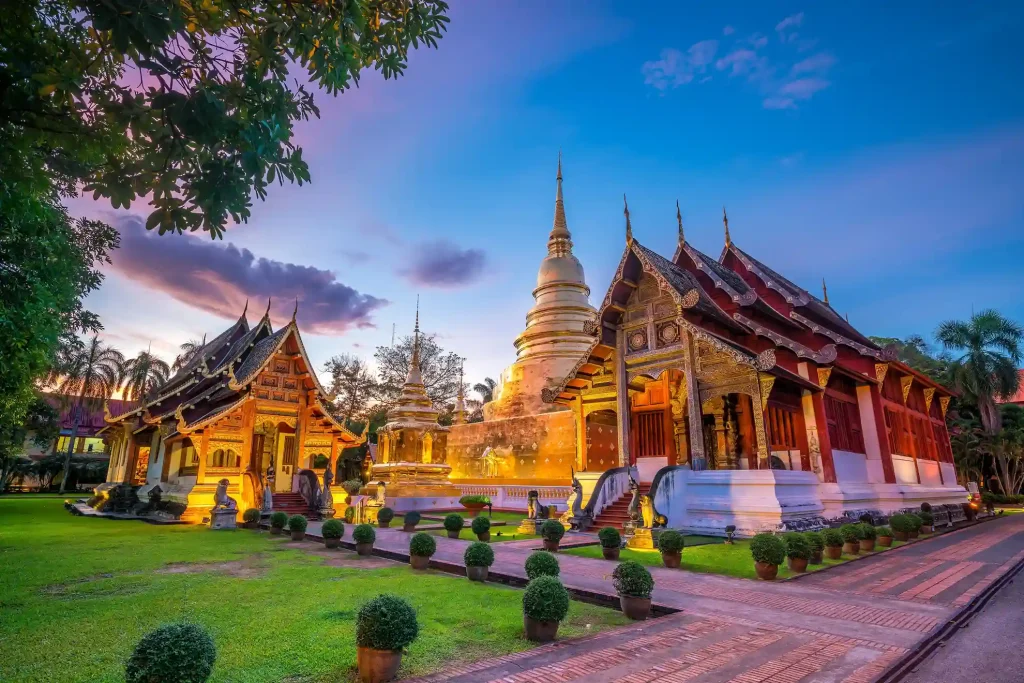
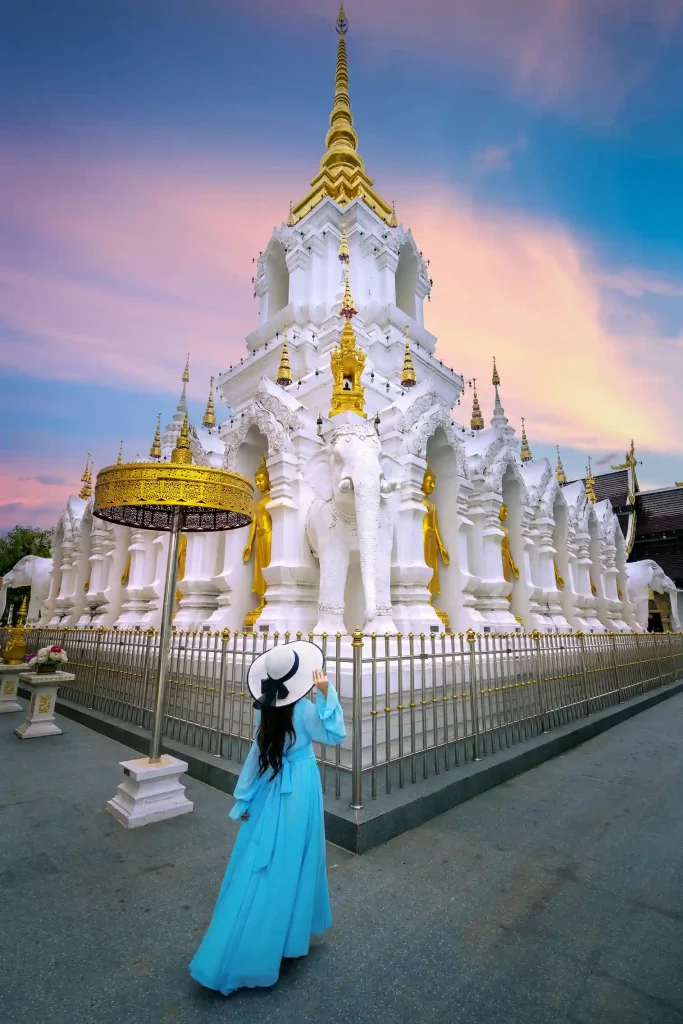
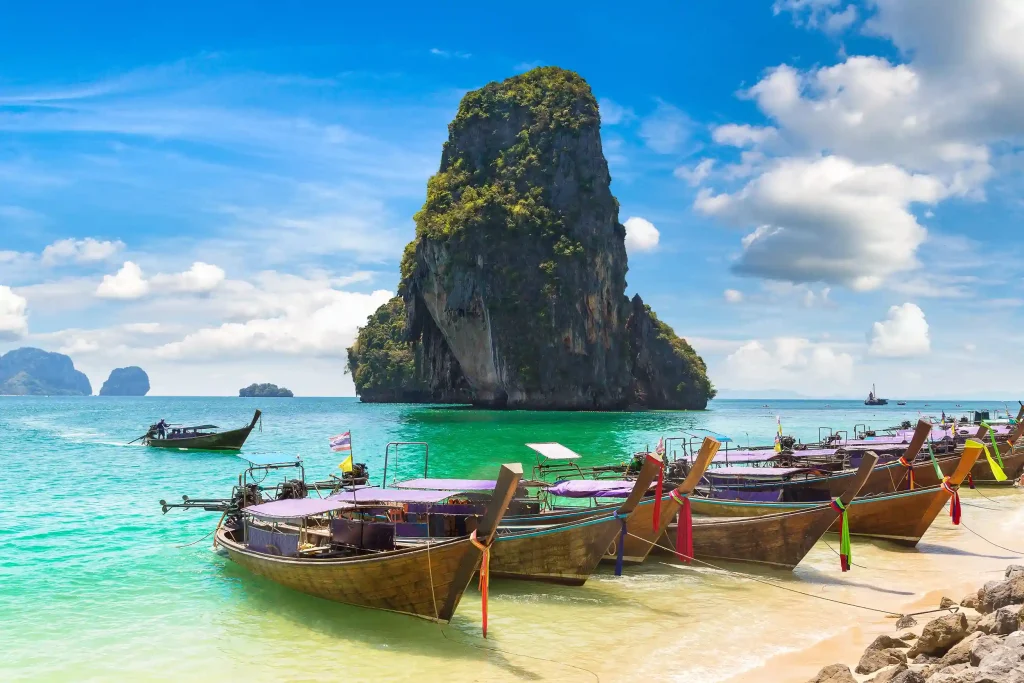
Thailand’s appeal lies in its contrasts: saffron-robed monks moving through Bangkok’s financial districts; forested mountains in the north giving way to limestone cliffs and quiet islands in the Andaman Sea. Cultural landmarks such as Ayutthaya’s temple ruins and Chiang Mai’s old city reflect centuries of regional influence, while contemporary Bangkok remains one of Asia’s most dynamic capitals. Food is central to daily life, from disciplined street vendors to refined royal cuisine.
Travelers encounter distinctive experiences such as night markets, long-tail boat journeys, Muay Thai bouts, and community-based hill-country trekking. The country suits first-time visitors to Asia, families seeking accessible logistics, and independent travelers drawn to varied experiences. However, crowding at major beaches, environmental pressures on islands, and uneven infrastructure in rural areas require realistic expectations and thoughtful planning.
Thailand’s climate is shaped by monsoon patterns, producing three broad seasons. The cool, dry period from November to February brings comfortable temperatures, lower humidity, and clear skies, making it the most popular time to visit, particularly around Christmas and Lunar New Year. March through May is hot and dry; inland cities such as Bangkok and Chiang Mai can feel humid, while coastal destinations benefit from sea breezes and fewer international tour groups.
The rainy season from July to September varies by region. Afternoon downpours are common rather than constant, and landscapes are at their most vibrant. Prices typically fall, and hotel availability improves. The Gulf Coast, including Koh Samui, often experiences different rainfall patterns, extending viable beach travel into late summer.
Travel goals ultimately shape timing. Cultural touring and northern trekking are most comfortable between November and January. Diving on the Andaman coast peaks from December to April, while photographers and budget-conscious travelers may prefer September’s quieter atmosphere. Major festivals also influence itineraries: Songkran in April transforms cities with nationwide water celebrations, while Loy Krathong and Yi Peng in November illuminate rivers and skies with lanterns.
Off-season travel rewards flexibility. Travelers should expect occasional showers, humid conditions, and variable marine visibility, but also fewer crowds and a slower, more local rhythm, a significant advantage for those who value authenticity over predictability.