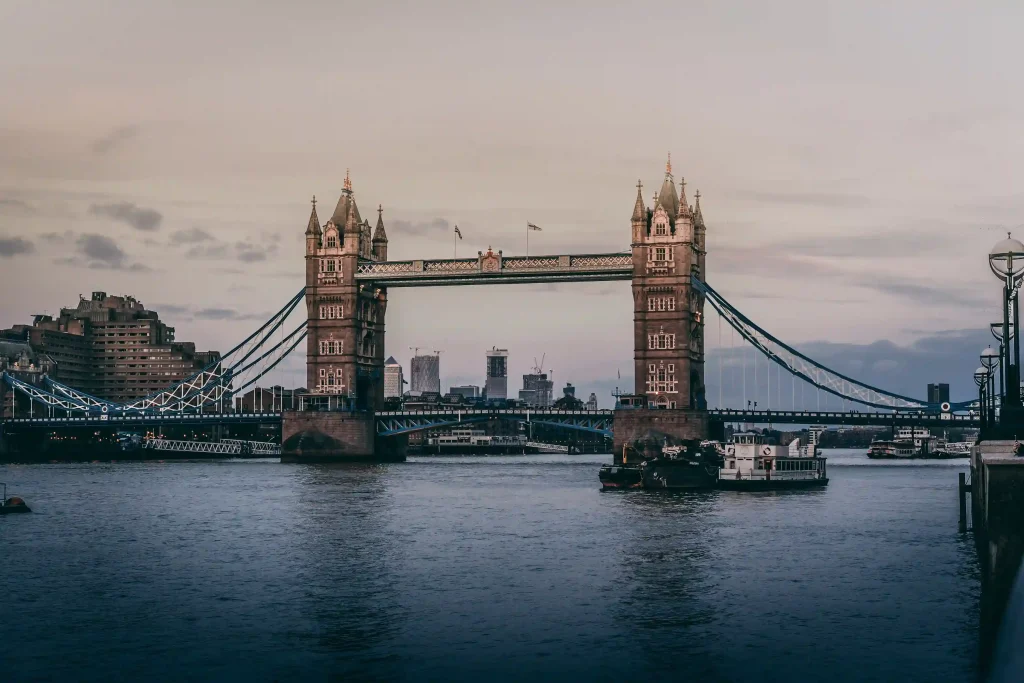
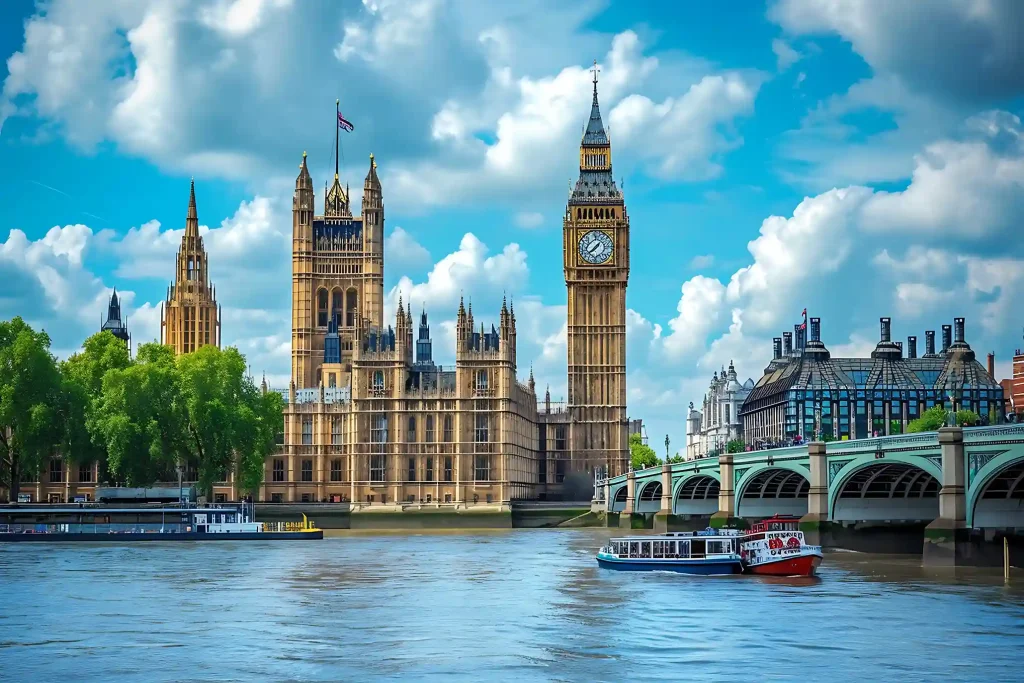
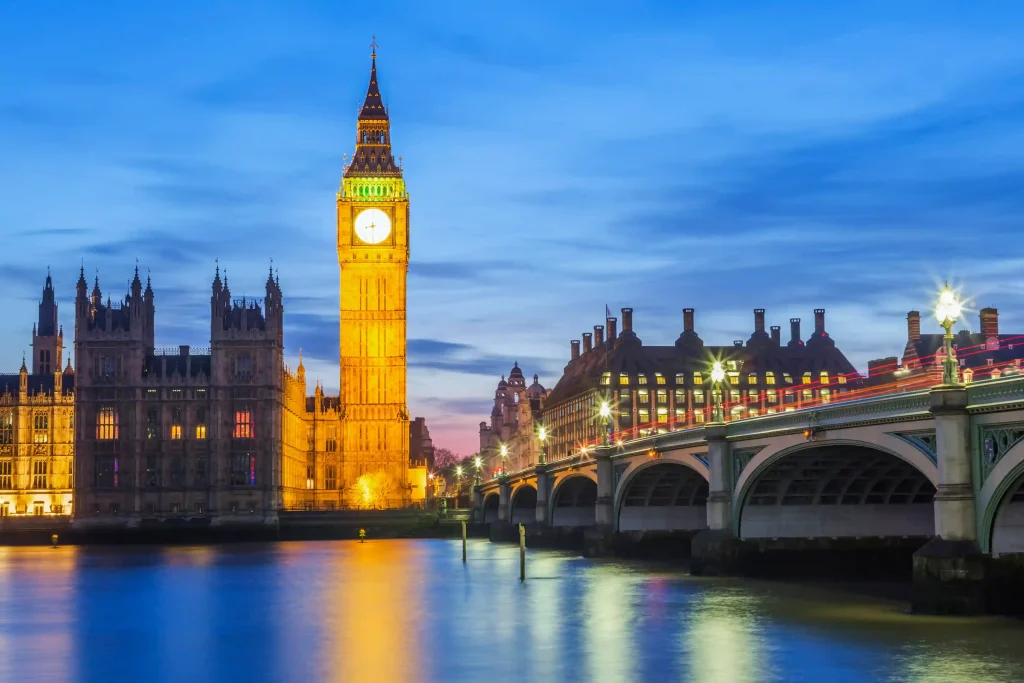
The United Kingdom blends layered history with contemporary cultural influence across compact, well-connected regions. London anchors the country with world-class museums, theatre, and a diverse culinary scene shaped by global migration. Beyond the capital, travelers encounter medieval cities such as York, academic traditions in Oxford and Cambridge, and varied natural landscapes ranging from the Scottish Highlands to the coastlines of Cornwall and Wales. Experiences such as community-centered pub culture, rail journeys through pastoral countryside, and historic sites spanning Roman, medieval, and industrial eras make the UK well suited to cultural travelers, families, and those drawn to walking and literary heritage.
Travel timing is influenced by the UK’s maritime climate, which favors flexibility over predictability. Late spring (May through early June) offers extended daylight, blooming parks, and relatively manageable crowds, while early autumn, particularly September, provides mild conditions and fewer school-holiday travelers. Summer brings festivals, long evenings, and peak visitor numbers, especially in cities like London and Edinburgh, where accommodation demand rises. Winter travel varies by interest: December features seasonal markets and cultural events, while January and February offer quieter cities and lower rates, despite shorter daylight hours and cooler, damp conditions. Travel goals, festivals, walking routes, or cultural touring, largely determine the ideal time to visit.