
Germany
Germany Travel Guide
Overview
Germany is a central European destination known for its historic cities, cultural traditions, and modern infrastructure. From medieval towns and cultural landmarks to contemporary urban centers, the country offers a structured and diverse travel experience.
Tourism in Germany is supported by efficient transport systems, clear travel organization, and strong regional tourism networks. Seasonal factors, local customs, and regional festivals can influence travel planning, making timing an important consideration.
Why & Best Time to Go
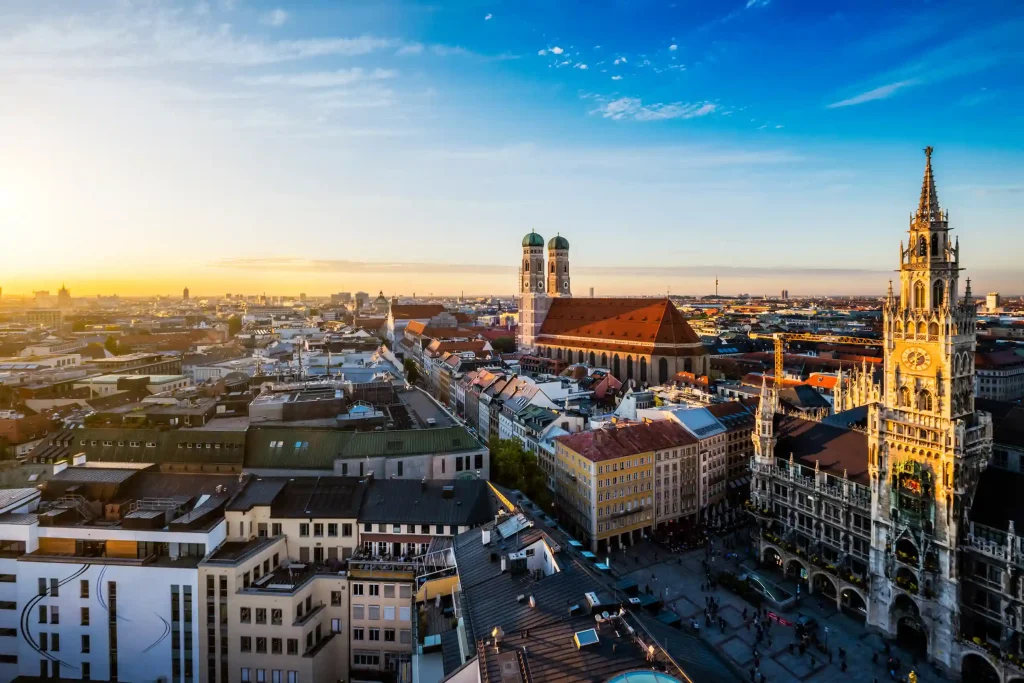
Germany offers a balance of cultural depth, historical landmarks, and varied landscapes within a well-organized travel environment. Cities such as Berlin, Munich, and Hamburg combine contemporary culture with visible layers of European history, while regions beyond the cities range from the Black Forest and Bavarian Alps to river valleys and the Baltic coast. Experiences such as scenic rail travel, historic castles, and seasonal markets make Germany well suited to cultural travelers, families, and outdoor enthusiasts, with planning important in busy areas and smaller towns.
Spring (late April through June) and autumn (September through early October) are generally the most appealing times to visit, offering mild temperatures, longer daylight, and fewer crowds. Summer brings peak visitor numbers and favorable conditions for outdoor activities, while winter is quieter overall, apart from the Christmas season and alpine ski months. Travel priorities, cultural touring, festivals, or outdoor pursuits, largely determine the ideal timing.
A mix of contemporary culture and layered European history
Diverse landscapes, from alpine regions to river valleys and coastlines
Well-preserved castles, historic towns, and cultural landmarks
Seasonal traditions such as Christmas markets and harvest festivals
Efficient rail networks connecting cities and regions
Travel experiences suited to families, cultural travelers, and outdoor enthusiasts