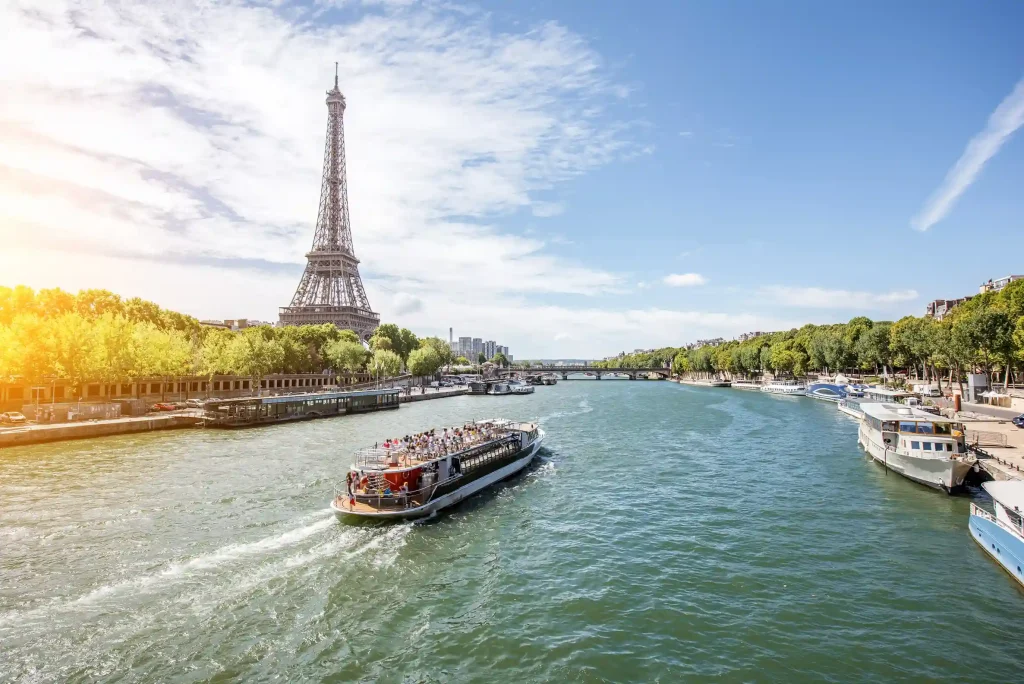
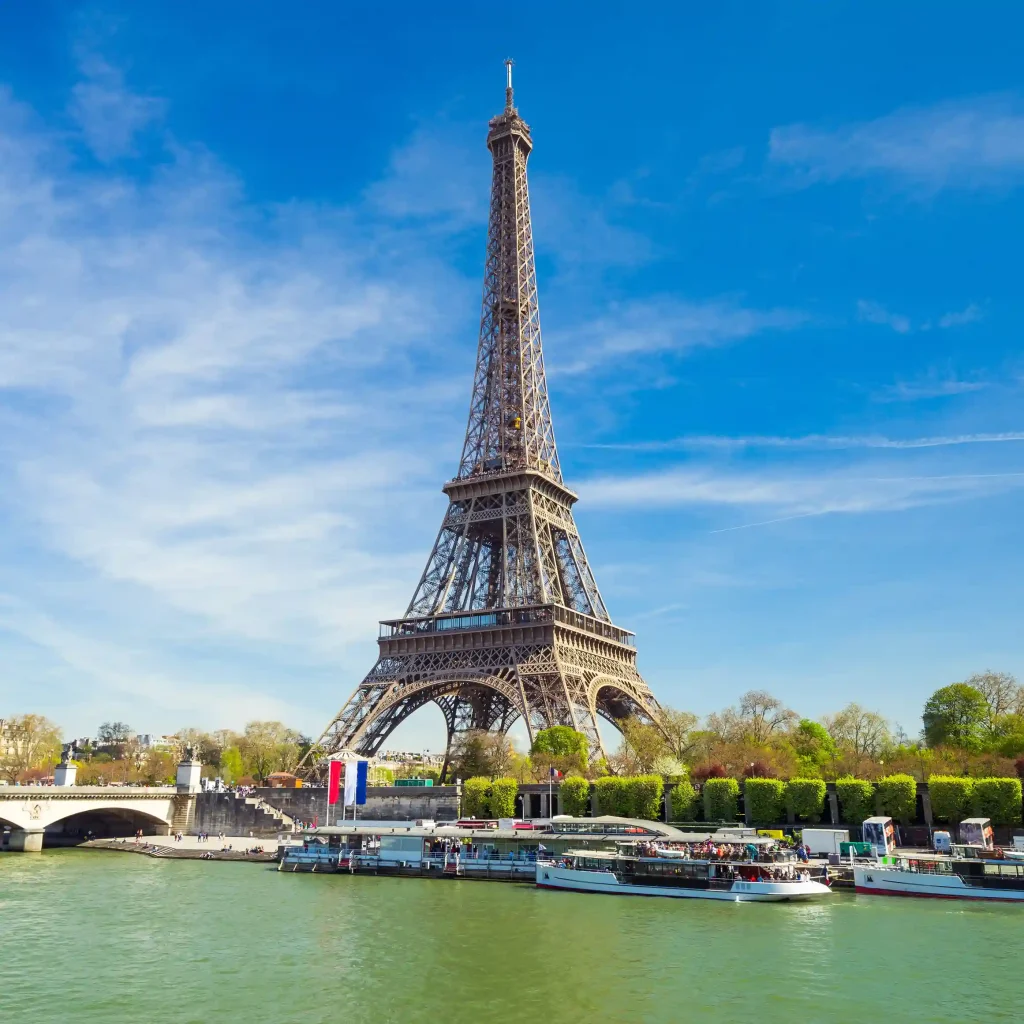
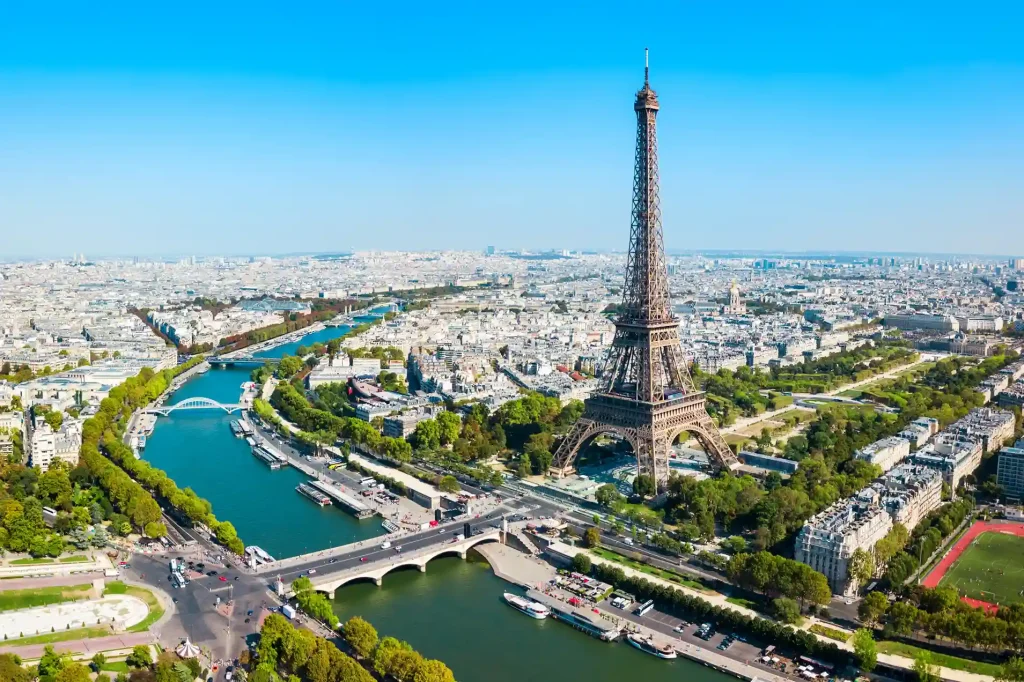
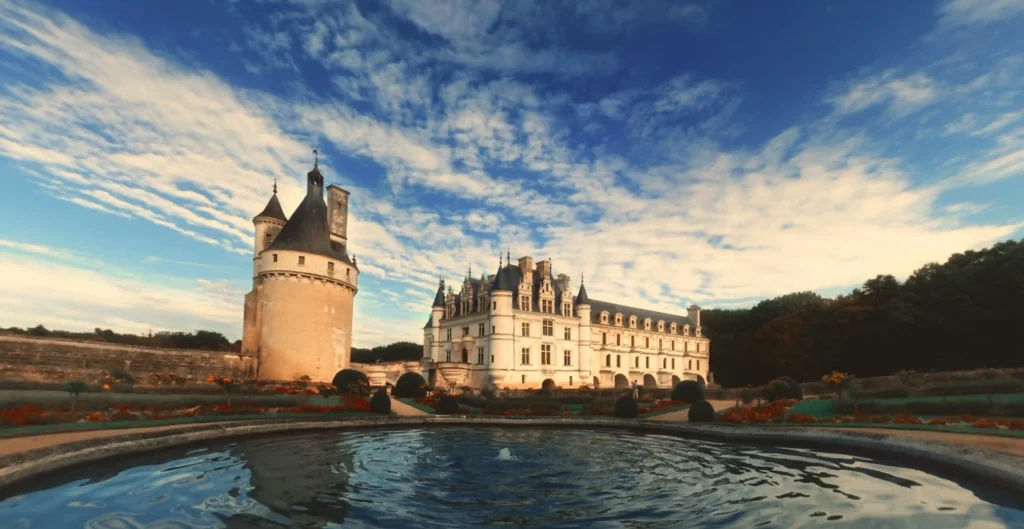
France is a long-standing reference point for art, architecture, and culinary tradition shaped by strong regional identities. While Paris offers world-class museums and layered history, much of the country’s character lies beyond the capital, from vineyard-lined villages in Burgundy and Atlantic coastlines in Brittany to lavender fields in Provence and Alpine landscapes near Chamonix. Food is central to daily life, ranging from neighborhood bakeries and local markets to refined dining rooted in seasonal produce and technique. Experiences such as rail travel through rural regions, historic châteaux, and regional wine culture make France well suited to cultural travelers, families, and those who prefer slower, place-driven exploration.
Seasonality plays an important role in planning. Spring (April through June) brings mild weather, blooming countryside, and manageable crowds, making it one of the most appealing periods for both cities and rural regions. Summer, particularly July and August, is the busiest time, with higher prices and heavier crowds in Paris and coastal areas, alongside long daylight hours and active outdoor life. Autumn (September and October) offers cooler temperatures, grape harvests, and a calmer atmosphere after peak season. Winter varies by region: Paris remains active with museums and seasonal events, while the Alps draw skiers from December through March. Travel priorities, wine tourism, cultural touring, or alpine sports, largely determine the ideal time to visit.