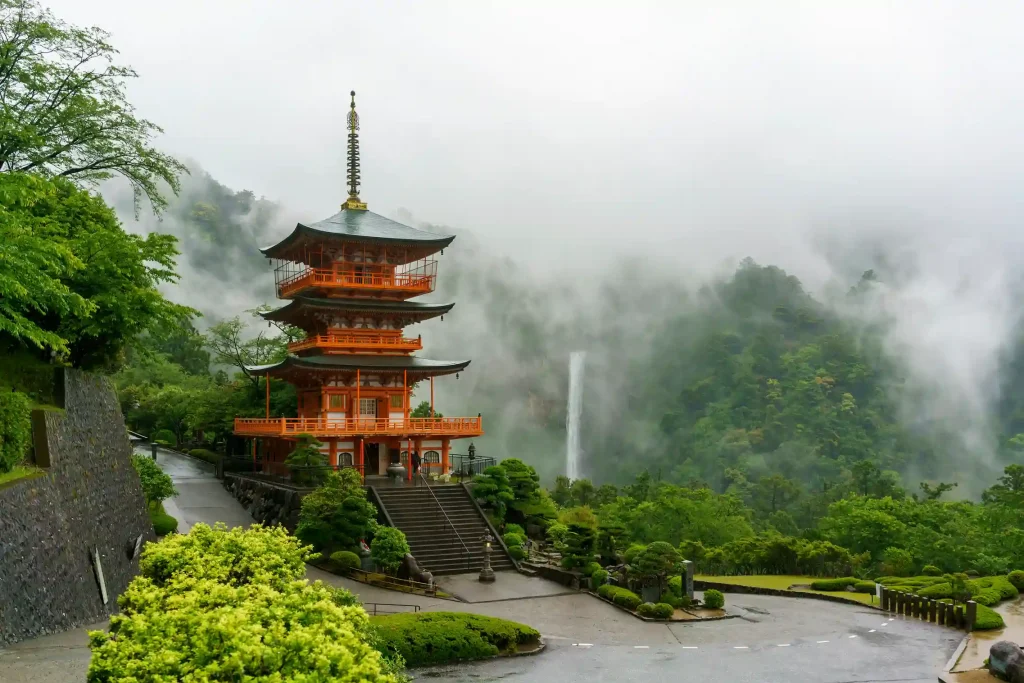
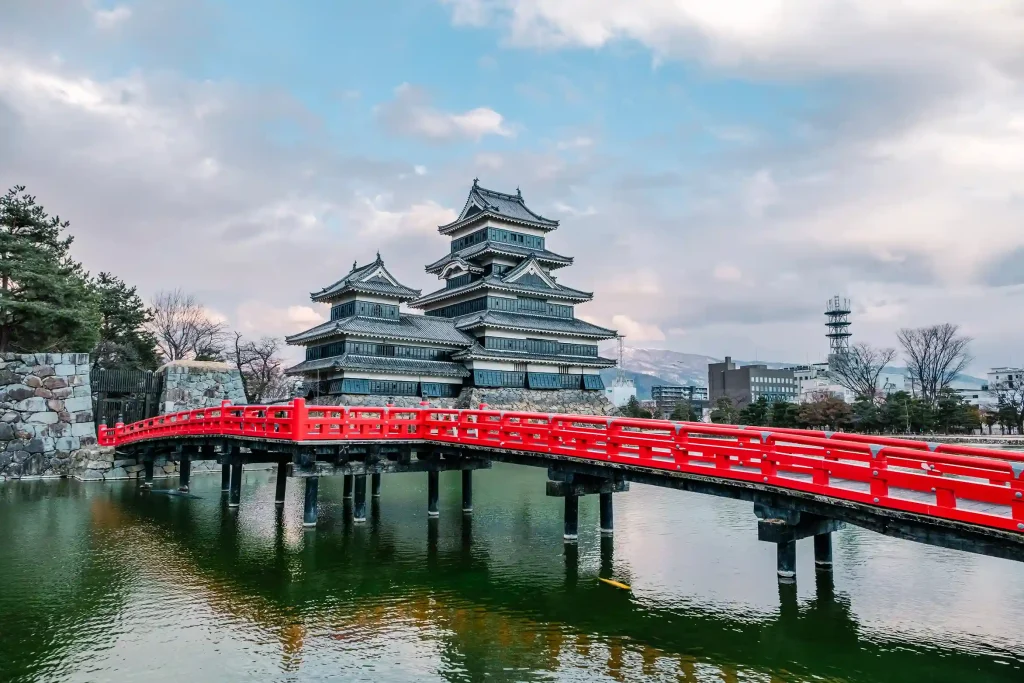
Japan offers a rare balance of deep tradition and modern precision. In cities like Kyoto, temple rituals and seasonal festivals remain part of daily life, while Tokyo reflects innovation through design, fashion, and technology. Landscapes span from Hokkaido’s alpine wilderness to Okinawa’s subtropical coastlines, with volcanic hot springs, national parks, and well-maintained public spaces throughout the country. Regional cuisine plays a central role in travel, ranging from casual ramen counters and neighborhood izakayas to refined kaiseki dining shaped by centuries of practice. Experiences such as high-speed rail travel, cherry blossom viewing, and local food culture make Japan well suited to solo travelers, families, and culturally focused visitors.
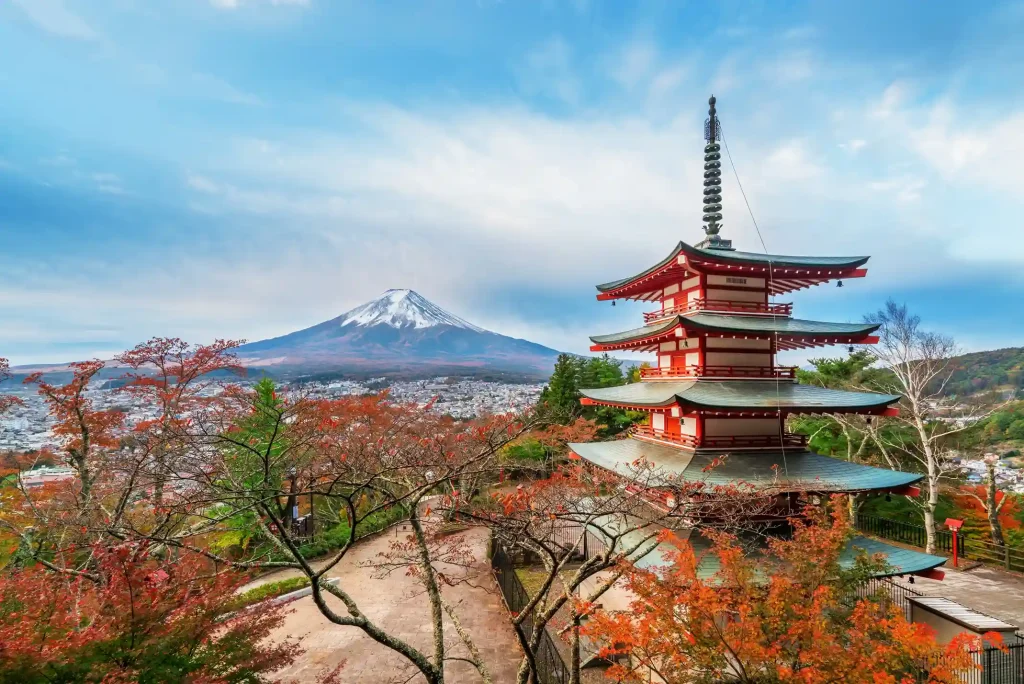
Japan’s four distinct seasons strongly influence travel timing. Spring (late March to early April) is known for cherry blossoms, mild temperatures, and vibrant city parks, while autumn (late October through November) offers crisp air and dramatic foliage, making it one of the most comfortable periods for sightseeing and photography. Summer is hot and humid, particularly in major cities, but features lively festivals such as Kyoto’s Gion Matsuri; northern regions like Hokkaido provide cooler alternatives. Winter brings reliable snowfall to Hokkaido and the Japanese Alps for skiing, while cities such as Tokyo remain relatively mild with fewer international visitors. Travel priorities shape the ideal season, cultural touring favors spring and autumn, skiing peaks from December to February, and Okinawa’s beaches are best from May to early October. Off-season travel rewards flexibility with fewer crowds, easier reservations, and a deeper look at everyday life.